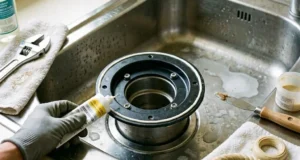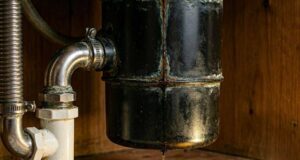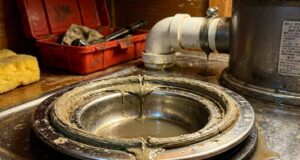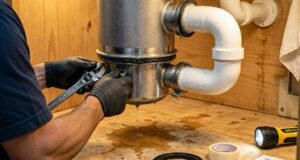
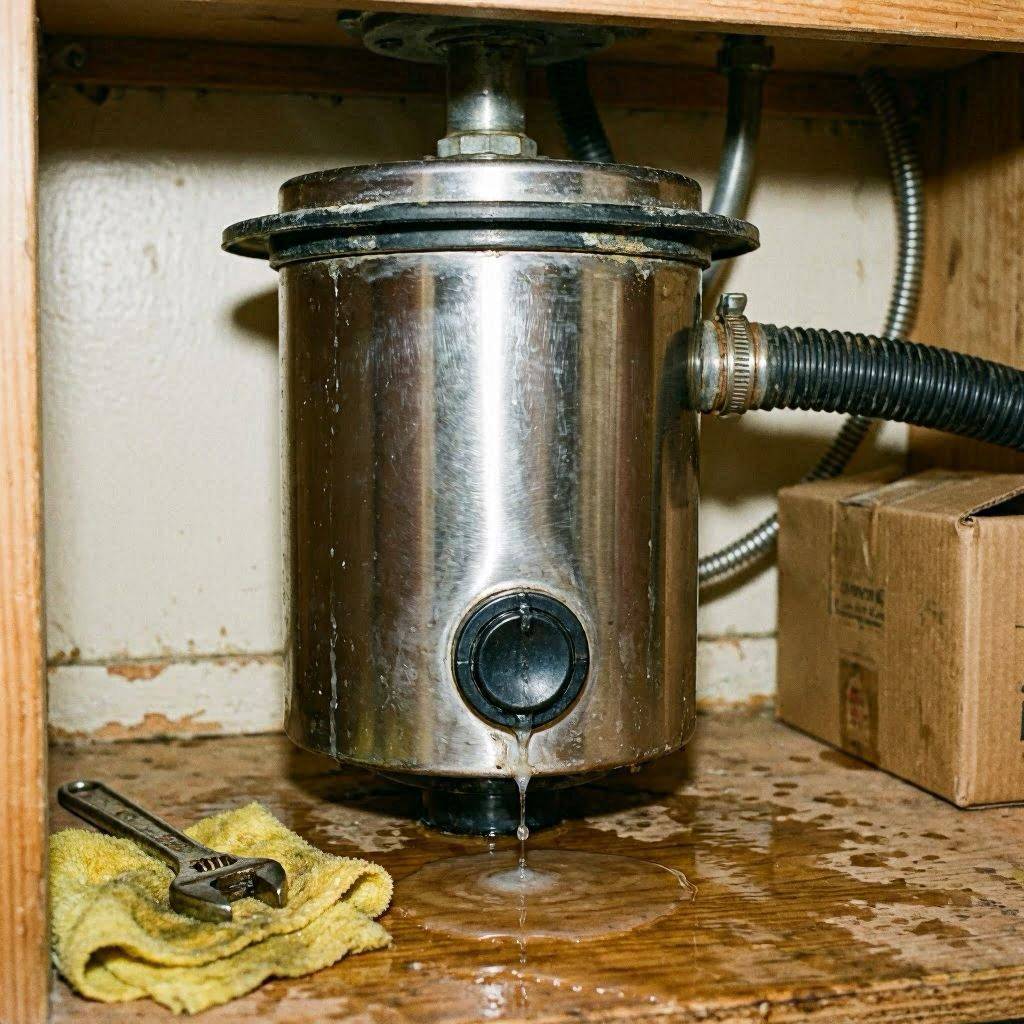
A garbage disposal leaking from the bottom reset button is one of those kitchen problems that often appears without warning. One day everything seems normal, and the next day you notice water dripping underneath the sink. Many homeowners immediately assume the unit needs replacement, while others ignore the issue until it becomes worse.
Understanding those causes can save time, money, and frustration. Below are 20 important points that explain why this problem happens and what you can do about it.
1. Understanding the Reset Button Area
The reset button is located on the underside of most garbage disposals. It acts as a safety feature that protects the motor from overheating. When water starts appearing around this area, it usually indicates an internal problem rather than a simple external leak.
2. Internal Seal Failure Is Common
One of the most frequent reasons for garbage disposal leaking from the bottom is a failed internal seal. These seals prevent water from reaching the motor compartment. Over time they wear out and allow moisture to escape.
3. Age Plays a Big Role
Most garbage disposals are designed to last between 8 and 15 years. As the unit ages, internal components naturally deteriorate. An older disposal is far more likely to develop leaks near the reset button.
4. Rust Can Damage Internal Parts
Water and metal are rarely a perfect combination. Continuous exposure to moisture can cause corrosion inside the disposal. Rust weakens internal components and creates pathways for water to leak.
5. Small Leaks Often Become Big Problems
A tiny drip today can become a major leak next month. Ignoring a garbage disposal leaking issue can lead to cabinet damage, mold growth, and expensive repairs.
6. Food Waste Can Accelerate Wear
Certain food scraps increase stress on disposal components. Hard materials such as bones, fruit pits, and coffee grounds can damage seals and internal mechanisms over time.
7. Improper Installation Can Contribute
Although bottom leaks usually indicate internal damage, improper installation can sometimes create pressure issues that accelerate component wear. Professional installation reduces this risk.
8. Frequent Overloading Causes Stress
Running excessive amounts of food waste through the disposal places additional strain on the motor and seals. Overloading can shorten the lifespan of the unit significantly.
9. Hot Water Isn’t Always Helpful
Many people believe hot water is best for cleaning a disposal. Extremely hot water can soften grease and push it deeper into internal areas where it may contribute to long-term damage.
10. The Leak May Not Be From the Reset Button
Sometimes water appears near the reset button but originates from another location. Carefully inspect the sink flange, dishwasher connection, and drain pipes before concluding that the disposal itself is failing.
11. Flashlight Inspection Can Reveal Hidden Issues
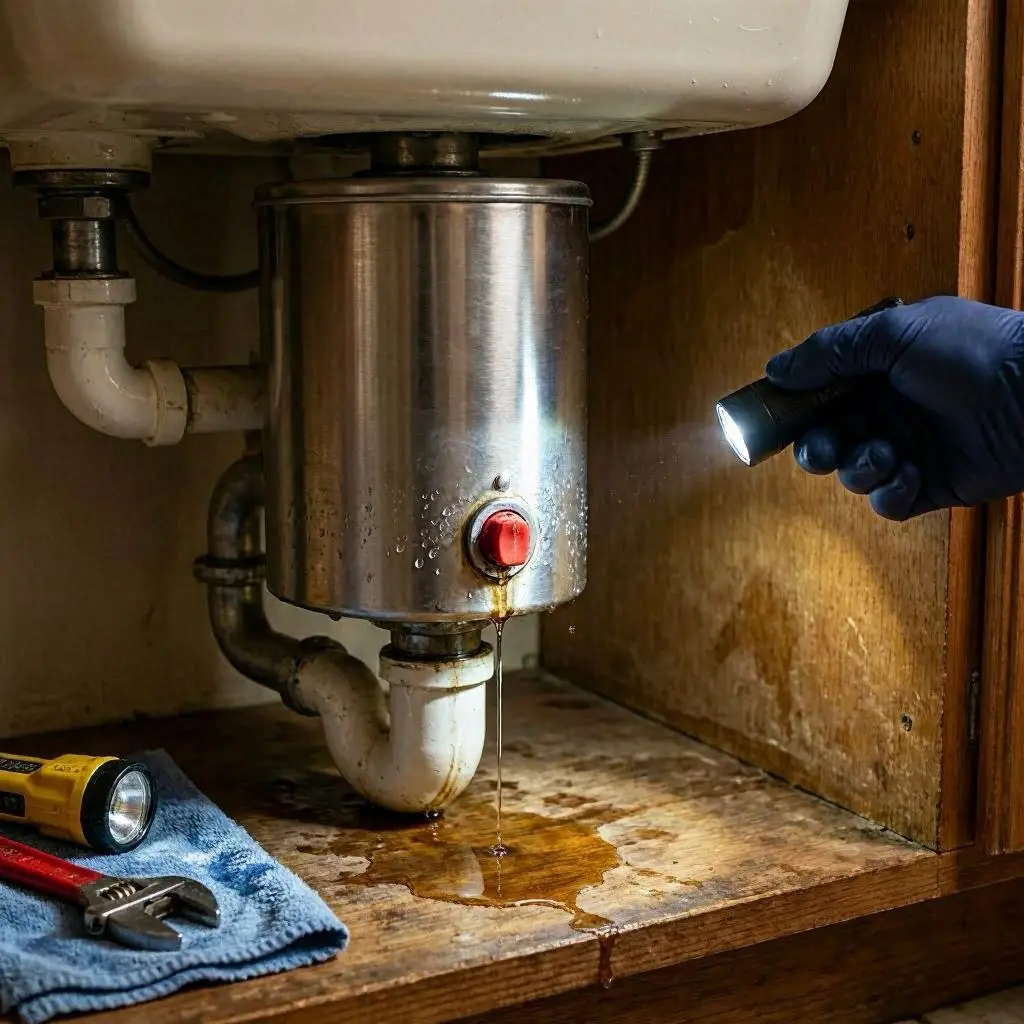
A bright flashlight can help identify cracks, corrosion, or damaged seals. A thorough inspection often provides clues about the source of the garbage disposal leaking problem.
12. Cracked Housing Means Serious Trouble
If the disposal housing develops cracks, water can travel directly to the bottom of the unit. In most cases, cracked housings require complete replacement rather than repair.
13. Motor Chamber Leaks Are Difficult to Fix
When water reaches the motor chamber, repair becomes challenging. Manufacturers generally design these units as sealed systems, making internal repairs impractical.
14. Electrical Safety Should Come First
Never ignore water around electrical appliances. Before inspecting a garbage disposal leaking underneath the sink, disconnect power to prevent electrical shock.
15. Mineral Deposits Can Cause Additional Damage
Hard water deposits build up inside disposal units over time. These deposits may interfere with moving parts and contribute to seal deterioration.
16. Temporary Fixes Rarely Last
Some homeowners attempt to stop leaks with sealants or adhesives. While these solutions may reduce dripping temporarily, they seldom solve the underlying problem.
17. Replacement May Be More Cost-Effective
When a disposal is old and leaking from the bottom reset button, replacement is often more economical than repeated repairs. Newer units also offer better efficiency and quieter operation.
18. Preventive Maintenance Extends Lifespan
Regular maintenance helps reduce the chances of garbage disposal leaking issues. Running cold water during operation and cleaning the unit regularly can prolong its service life.
19. Professional Diagnosis Saves Guesswork
A plumber can quickly determine whether the leak originates from seals, housing cracks, plumbing connections, or internal component failure. Professional evaluation prevents unnecessary expenses.
20. Early Action Prevents Kitchen Damage
The biggest mistake homeowners make is delaying action. Water leaking beneath the sink can damage wood cabinets, flooring, and nearby fixtures. Addressing the problem early minimizes repair costs.
A garbage disposal leaking from the bottom reset button is usually a warning sign that something inside the unit has failed. While some minor plumbing leaks can be repaired easily, leaks originating from the bottom of the disposal often indicate worn seals, internal corrosion, or housing damage.
The good news is that identifying the issue early can prevent further damage to your kitchen. Whether the solution involves maintenance, professional repair, or full replacement, taking action promptly is always the smartest approach. A well-maintained garbage disposal can provide years of reliable service, but once water begins leaking from the reset button area, it is important to investigate the cause before the problem grows larger.